

Get the latest news from East Green Energy
Call 01394 380557 to discuss your project today.
HOME / NEWS
In a world of energy uncertainty, renewables are proving their worth once again
Energy prices are rising again and many businesses are feeling the pressure. More companies are turning to renewables because they offer stability when the wider market is unpredictable. Solar and battery systems are helping clients keep their costs steady and reduce their reliance on the grid, and the savings we are seeing are impressive. In a world where electricity prices can change overnight, owning part of your energy supply gives you control over costs, clarity in long term planning and greater resilience against external shocks. Hamilton Madden also supports businesses by securing competitive energy contracts that work alongside renewable systems.
What makes East Green Energy different?
Nearly 20 years in renewable energy has taught us a lot. From changing government incentives and evolving technology to the growth of battery storage and larger commercial projects, East Green Energy has adapted while staying true to the practical, personal approach we started with in 2007. Here’s what we think sets us apart.

UK renewables round-up – August 2026
Solar has continued its record-breaking run through August, with installation numbers rising fast and generation hitting new highs, while battery storage gathers pace both on rooftops and through major grid-scale projects. The month also saw plug‑in solar become legal across Great Britain, widening access to small-scale generation, and fresh investment in long‑duration storage technologies aimed at making better use of strong renewable output. Against this backdrop, energy prices remain unpredictable, reinforcing why more businesses are looking at ways to generate and store their own electricity.
A record year for UK clean energy. What it means for businesses, farms and landowners
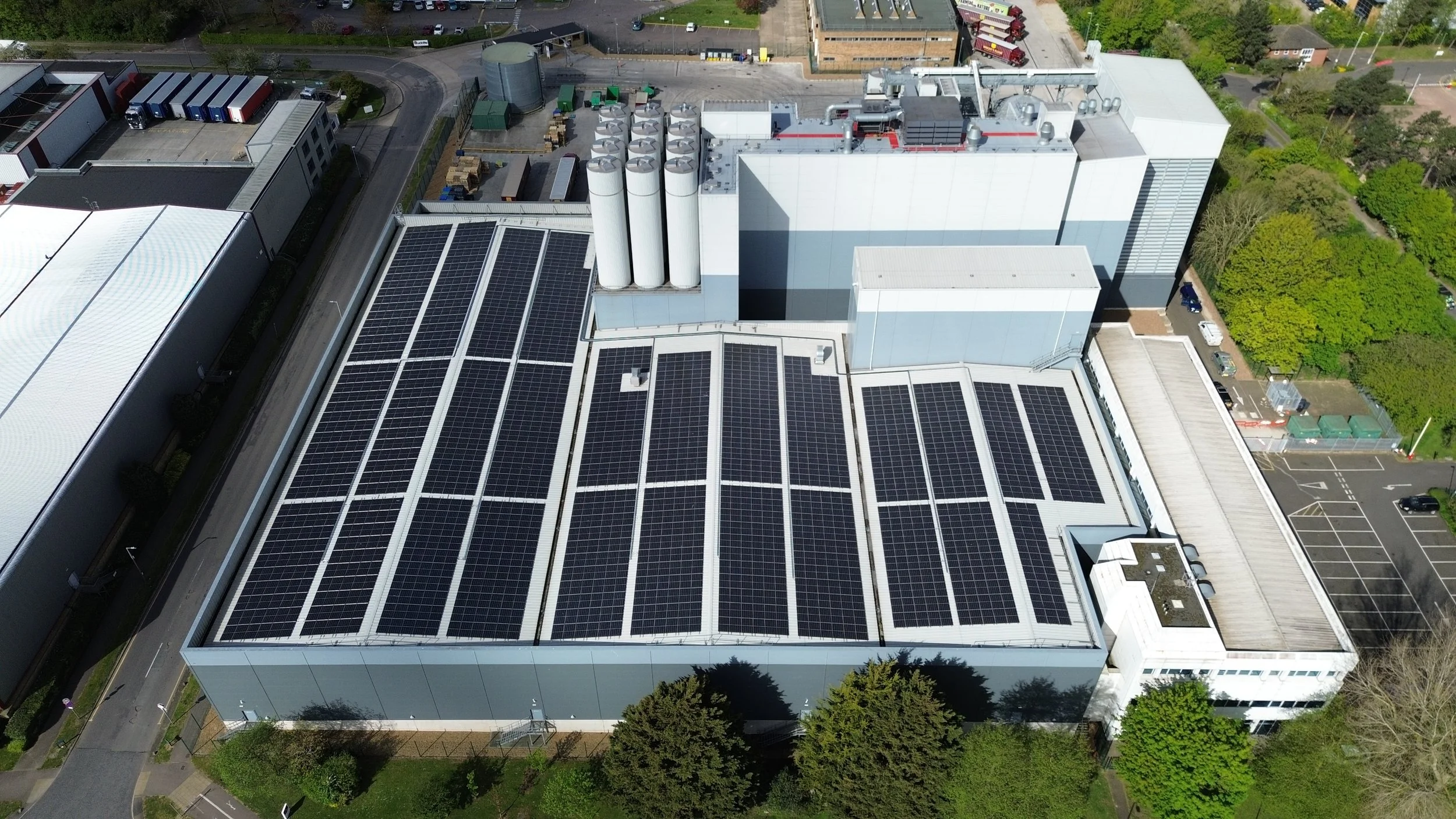
The UK has just approved a huge wave of new clean‑energy projects, and solar makes up a big chunk of it. It’s great news for commercial businesses, farms and landowners because it shows the direction the country is heading. Solar is becoming easier to access, easier to plan and, frankly, a lot more sensible for anyone who’s tired of unpredictable energy bills. If you’ve ever wondered whether your roof, your land or your business could benefit from generating your own power, this is a very good moment to take another look.
Is it time to repower your solar PV system?
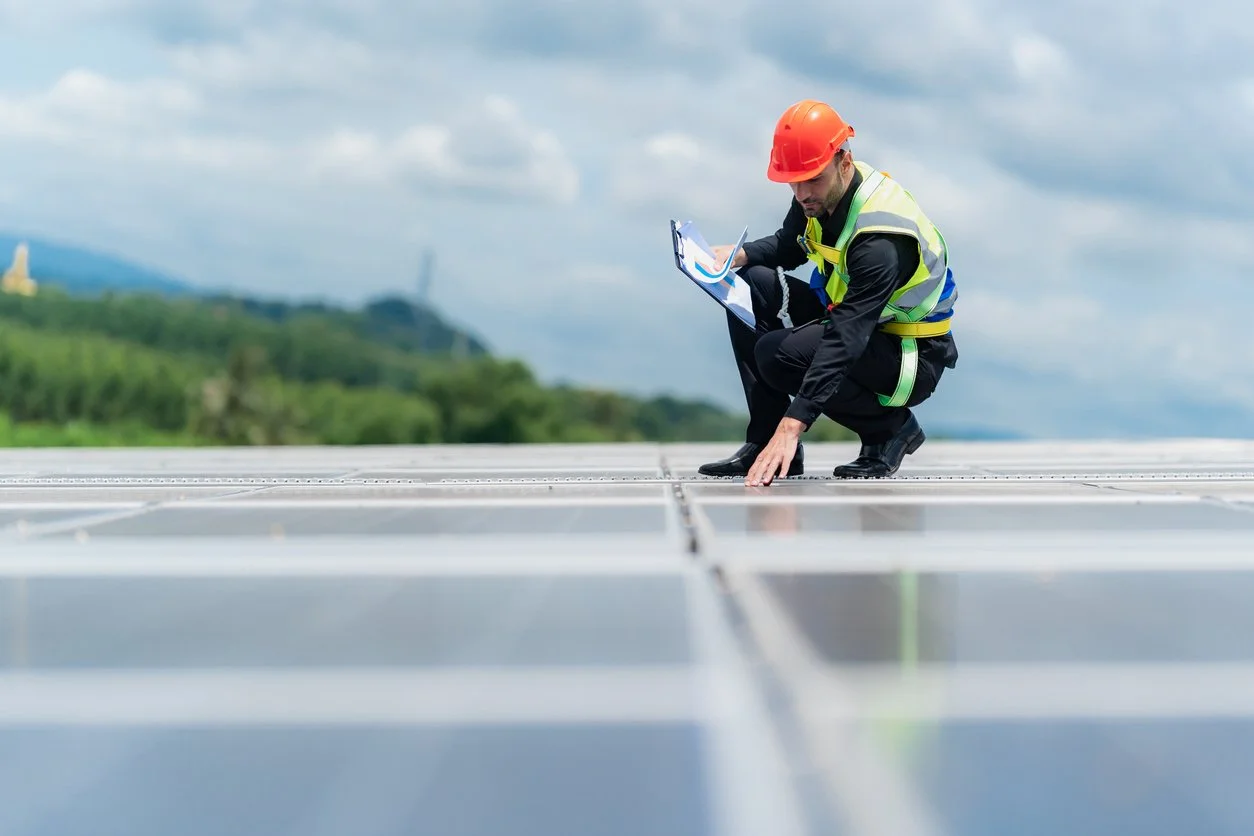
Many commercial solar systems installed 10–15 years ago are no longer performing at their original levels. Early panels often degrade faster than expected, and outdated inverters or worn components can quietly reduce generation over time.
Repowering - replacing older panels and inverters while keeping the existing infrastructure—can significantly boost output from the same roof space. Modern panels are far more efficient, come with longer warranties and degrade much more slowly, making upgrades a strong long‑term investment.
If your system is over a decade old, producing less than expected or showing more frequent faults, a performance review could reveal whether repowering would restore the savings, reliability and energy security your solar was designed to deliver.

UK Renewables Round-up – July 2026
July has been another landmark month for the UK's renewable energy sector, with fresh Government support for clean energy, major progress on grid reform and continued growth in commercial solar and battery storage. As businesses look for greater energy security and long-term cost savings, renewable technologies are becoming an increasingly important part of the UK's energy future.
East Green Energy named finalist at Solar & Storage Live Awards 2026
East Green Energy has been shortlisted for Commercial Project of the Year at the Solar & Storage Live Awards 2026, recognising the 750 kWp floating solar array delivered for Suffolk Fresh in Great Blakenham. Spanning 3,500 square metres of reservoir surface and using around 1,250 panels to supply twenty per cent of the nursery’s energy demand, the project blends smart use of space with precise engineering, including bespoke anchoring, permanent access, remote monitoring and measures to reduce bird interaction. It’s a proud achievement for the team ahead of the awards on 22 September.
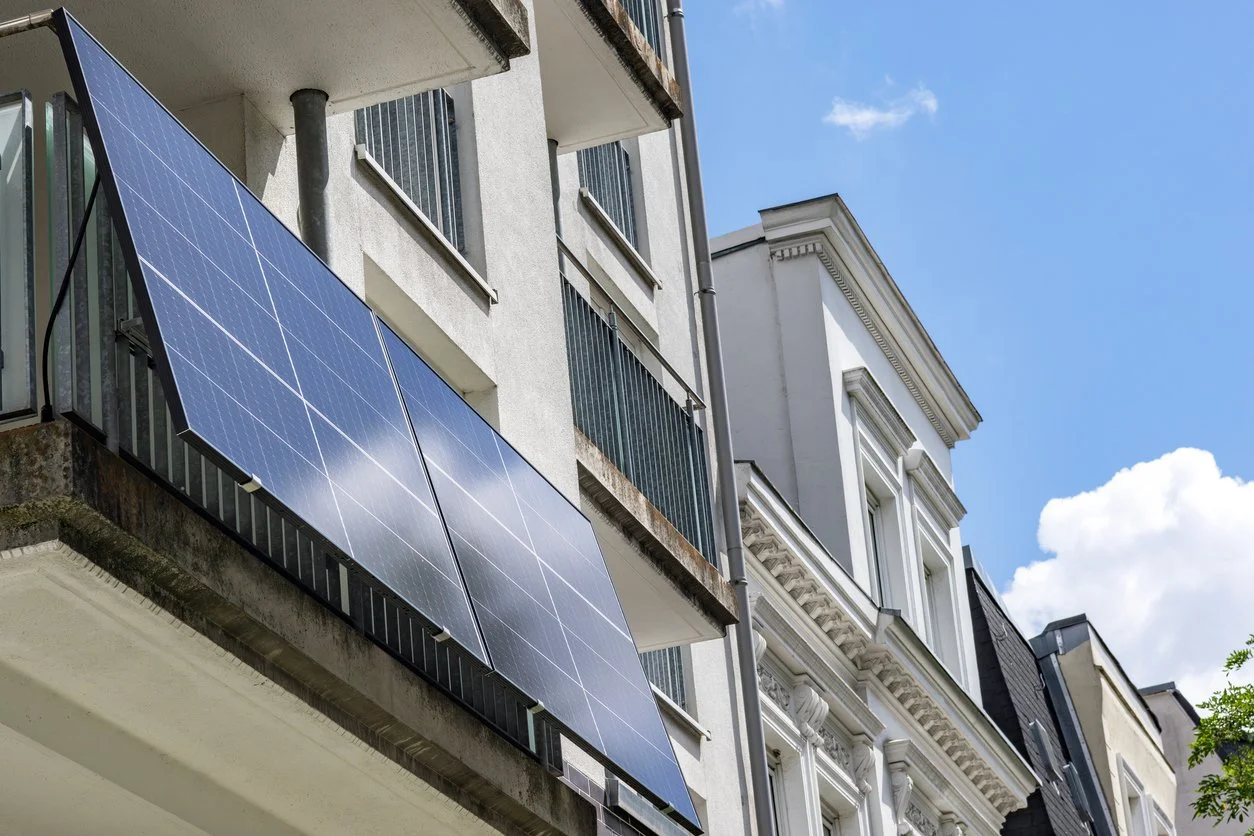
Plug‑in solar panels approved in the UK, what it means for households
Plug‑in solar panels could soon be approved in the UK, allowing small systems under eight hundred watts to plug into a standard socket without an electrician, with a simple G98 notification still required and early signs of possible financial support for low income households; with panels expected to start at around four hundred pounds and savings of seventy to one hundred and ten pounds a year, they offer an easy way to generate some home electricity, and Plugsol will provide approved systems once guidance is finalised.
What the UK's grid connection reforms mean for businesses investing in Renewable Energy
Recent reforms to the UK's grid connection process could make it easier for businesses to move forward with renewable energy projects. With shorter waiting times and greater certainty around connections, organisations investing in solar PV, battery storage and EV charging infrastructure may be able to begin benefiting from renewable energy sooner.
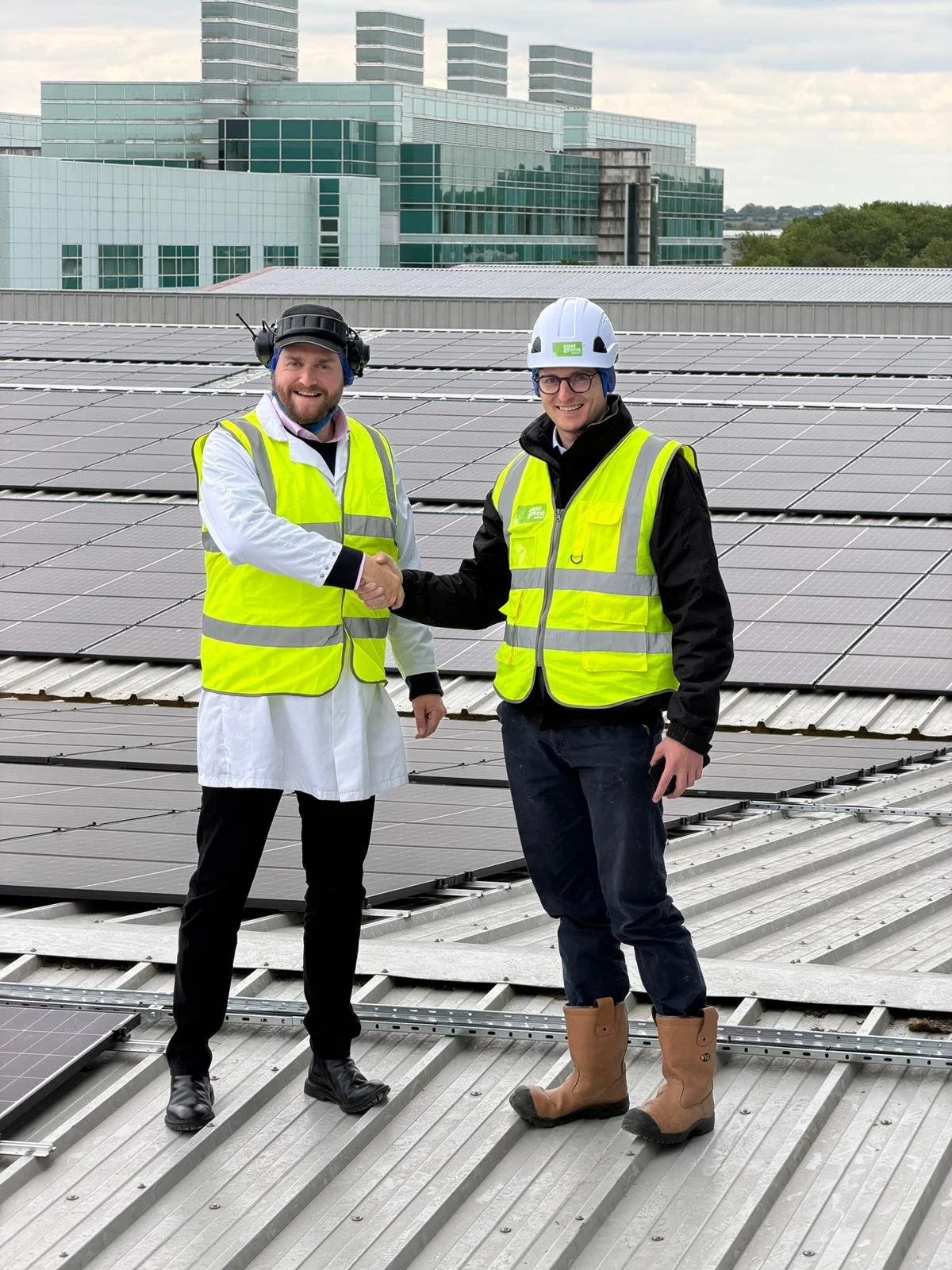
G R Wright & Sons partners with East Green Energy to cut production‑related energy use and support net zero goals
G R Wright & Sons has partnered with East Green Energy on a 900 kWp roof‑mounted solar project that will cut production‑related electricity use and support its net zero goals. Installed in January 2026, the system delivers 99% on‑site consumption, a 7% reduction in total demand, an 18% ROI and a 5.5‑year payback. Both teams describe the collaboration as professional, effective and focused on long‑term carbon reduction.

Renewables round-up - June 2026
UK renewables saw strong momentum in June, with solar installations passing two million and forecasts pointing to another record year as costs fall. Rising energy bills are driving demand for on‑site generation and storage, while battery uptake grows despite sector challenges. The government set ambitious new carbon targets and introduced standards to simplify small‑scale solar, and public sector projects continue to expand with investment in solar, heat pumps and efficiency upgrades.

East Green Energy opens new Leicester office to support continued growth across the UK
East Green Energy has opened a new office in Leicester to support continued growth across the UK. The new Midlands base will help the company deliver an increasing number of renewable energy projects nationwide while remaining rooted in its East Suffolk heritage and family-business values.
East Green Energy named finalist in East Anglian Daily Times Business Awards 2026
East Green Energy has been named a finalist in the East Anglian Daily Times Business Awards 2026, earning a place on the shortlist for Growth Business of the Year. The recognition reflects the company's continued expansion from its Suffolk roots into one of the UK's leading renewable energy specialists, supporting homeowners and businesses with innovative, cost-saving renewable energy solutions.
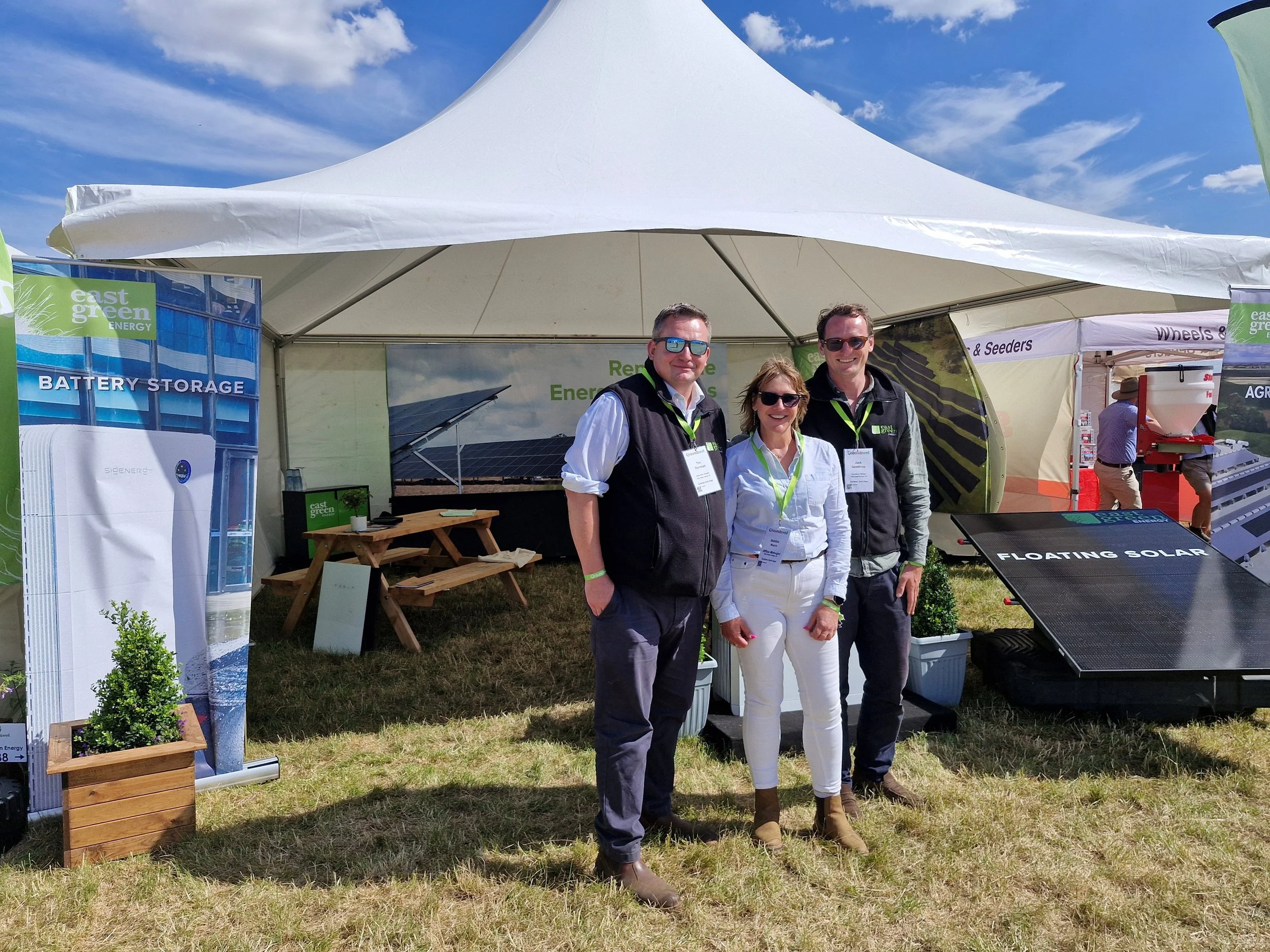
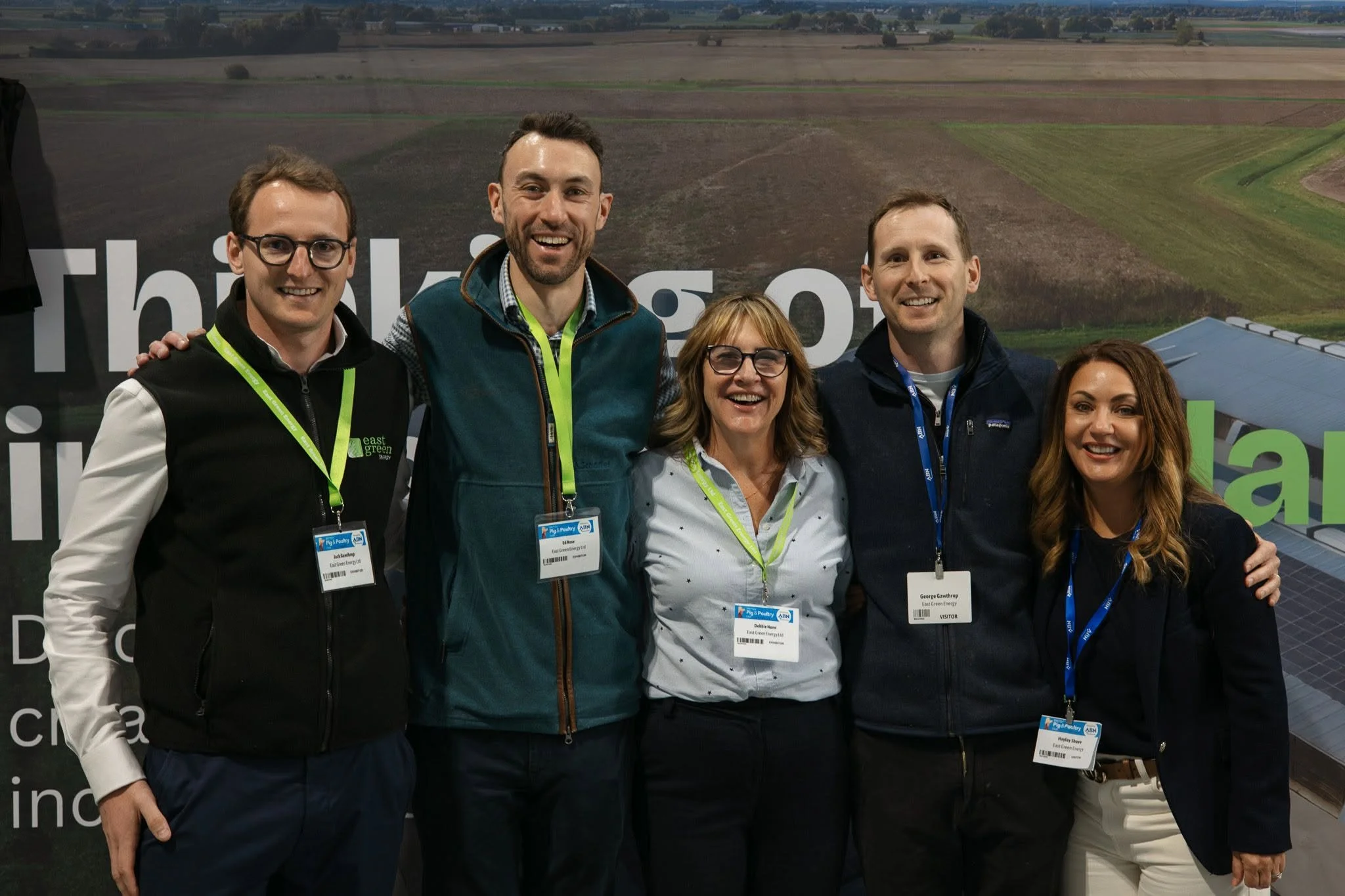
A quick recap of our two brilliant days at the fantastic British Pig & Poultry Fair Fair last week.
This trade show is especially close to our hearts. East Green Energy is named after East Green Farm, which for many years was a pig farm in Suffolk and over the years we’ve grown into one of the longest established renewable energy firms in East Anglia.
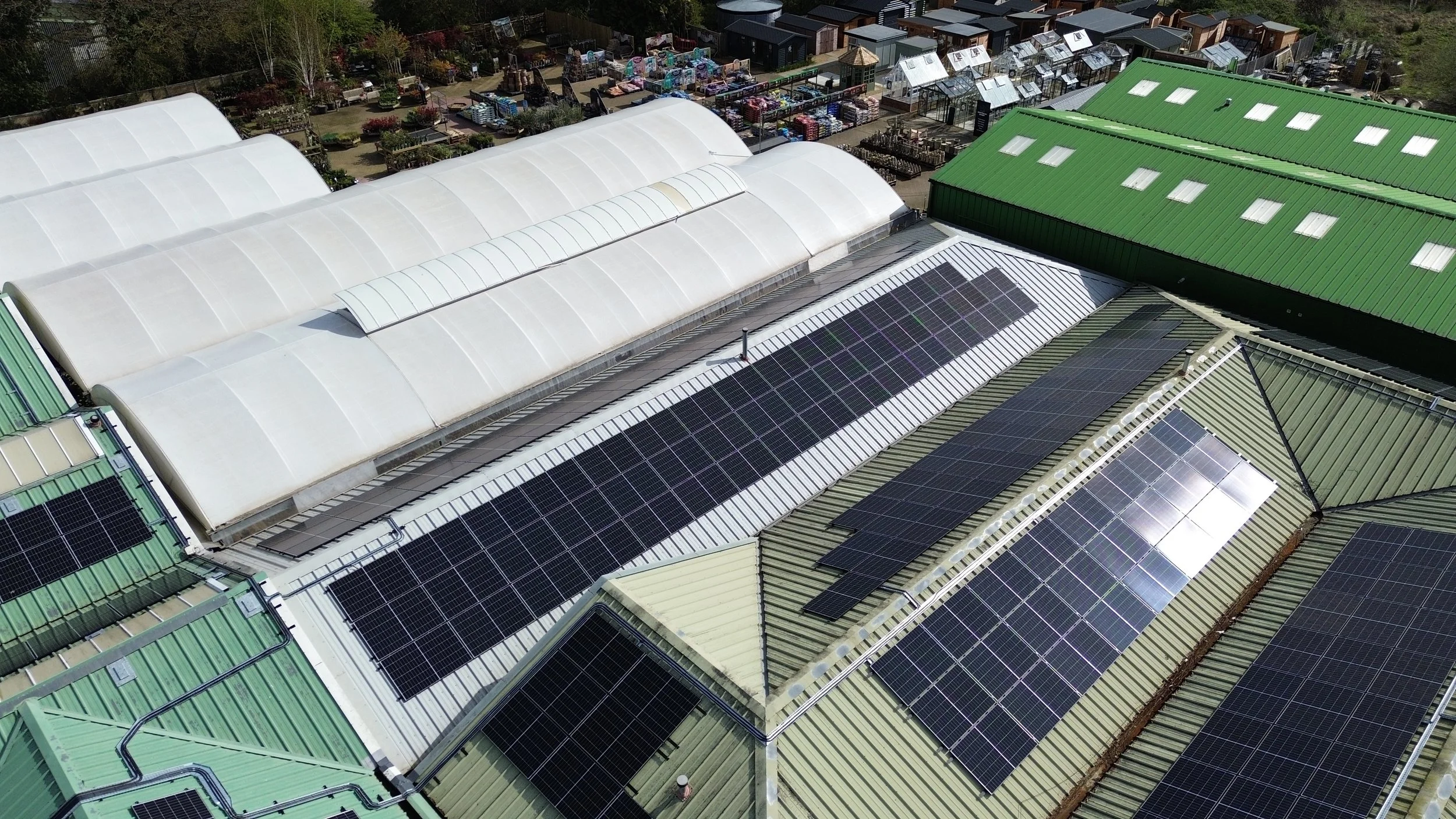
Government backs roof-top solar
The government has strengthened its rooftop first approach to solar, making it easier for businesses to install panels on large commercial roofs. Planning rules are being simplified and councils are now expected to prioritise existing buildings, putting warehouses, factories and other big roof spaces at the front of the queue for rapid deployment.

May Renewables Highlights
Commercial solar demand continues to grow as businesses respond to high electricity prices, falling solar and battery costs, and increasing pressure to meet sustainability targets. With commercial rooftop systems now commonly delivering payback periods of three to five years, more manufacturers, food producers and logistics operators are investing in on-site generation and storage. Grid connection reforms, growing adoption of corporate PPAs, government support for rooftop-first solar, and the UK's record-breaking growth in renewable energy are further strengthening the business case for commercial solar across the UK.
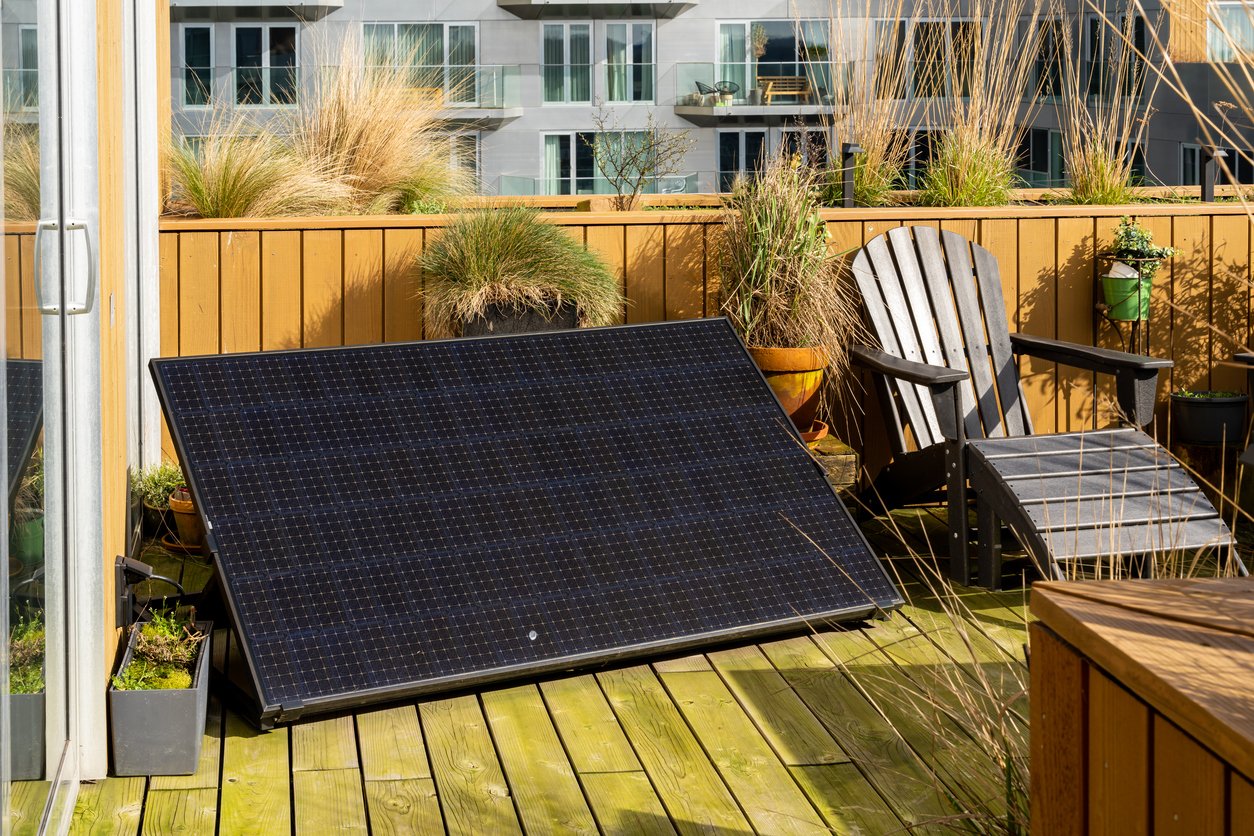
Are plug‑in solar kits any good? What you can realistically expect?
Plug‑in solar kits are rapidly gaining attention ahead of expected government approval this summer, offering a low‑cost, no‑installation way to generate electricity at home. While they won’t replace a full rooftop system or drastically cut bills, they can meaningfully reduce daytime energy use, particularly for households with consistent daytime consumption. The real value lies not in going off‑grid, but in taking a simple first step into solar.
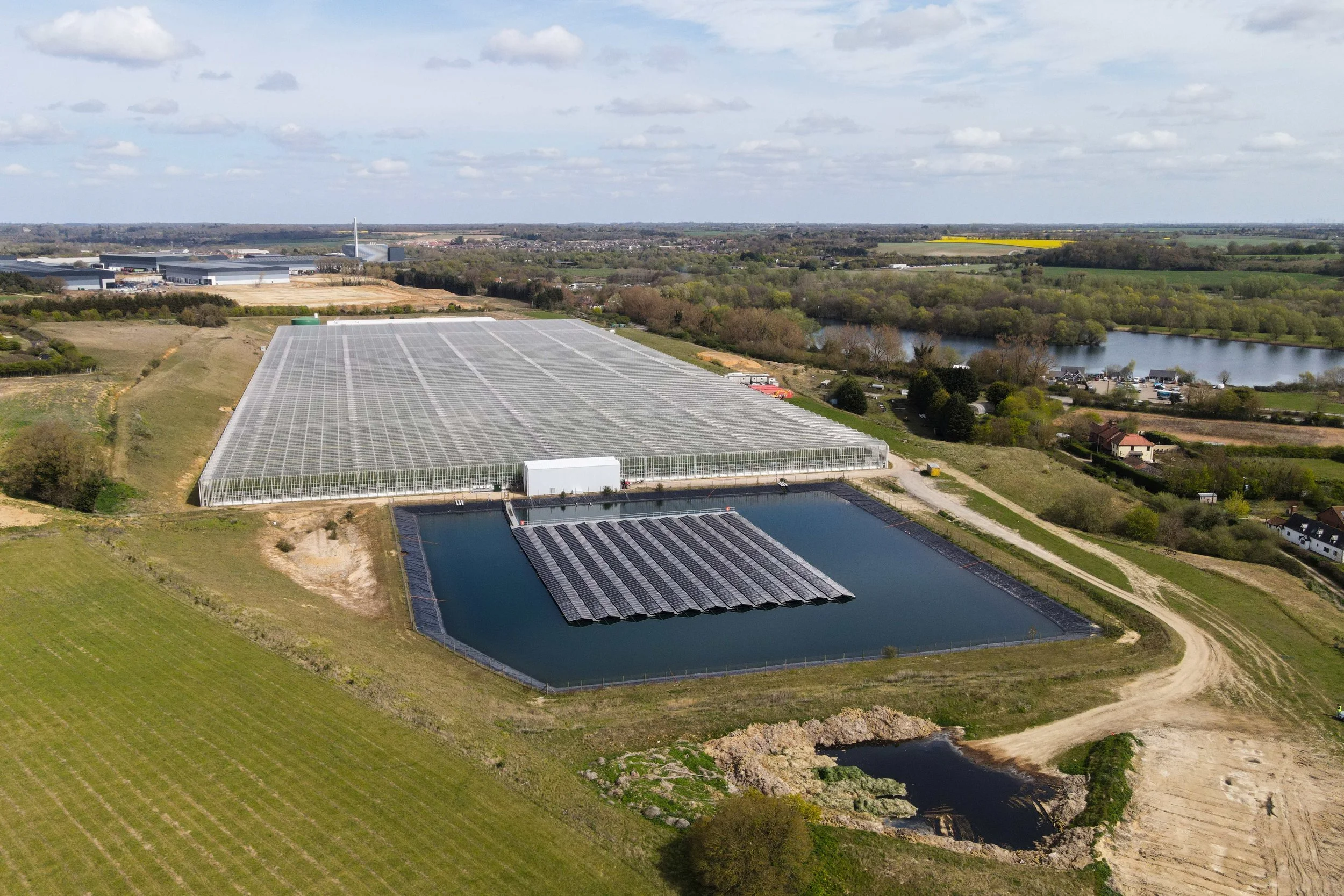
Land is running out - Floating Solar offers a way forward
The UK is running out of suitable land for new solar projects, and it’s becoming one of the biggest barriers to meeting national targets. Floating solar offers a practical way forward by using reservoirs and other managed water bodies instead of farmland. Our Suffolk Fresh project shows how this approach can deliver major clean‑power generation while protecting food production and avoiding many of the planning challenges that come with land‑based systems.

Welcoming MP Jenny Riddell-Carpenter to our expanded Melton offices
East Green Energy welcomed MP Jenny Riddell-Carpenter to our newly expanded Melton offices to discuss growth, skills and renewable energy across Suffolk.

UK Renewables Round‑Up - April 2026
UK farms, landowners and energy‑intensive businesses are accelerating investment in renewables as geopolitical instability continues to drive volatile fossil fuel prices. With gas‑linked power costs proving increasingly unpredictable, solar, battery storage and on‑site generation are being adopted as tools for long‑term cost control and energy security rather than purely sustainability measures. What is emerging is a structural shift toward locally produced, fixed‑price power across agriculture, food production and manufacturing.